



सौंदर्यशास्त्र से परे: एल्युमिनियम मेश सीलिंग के साथ विशिष्टता की दुविधा का समाधान
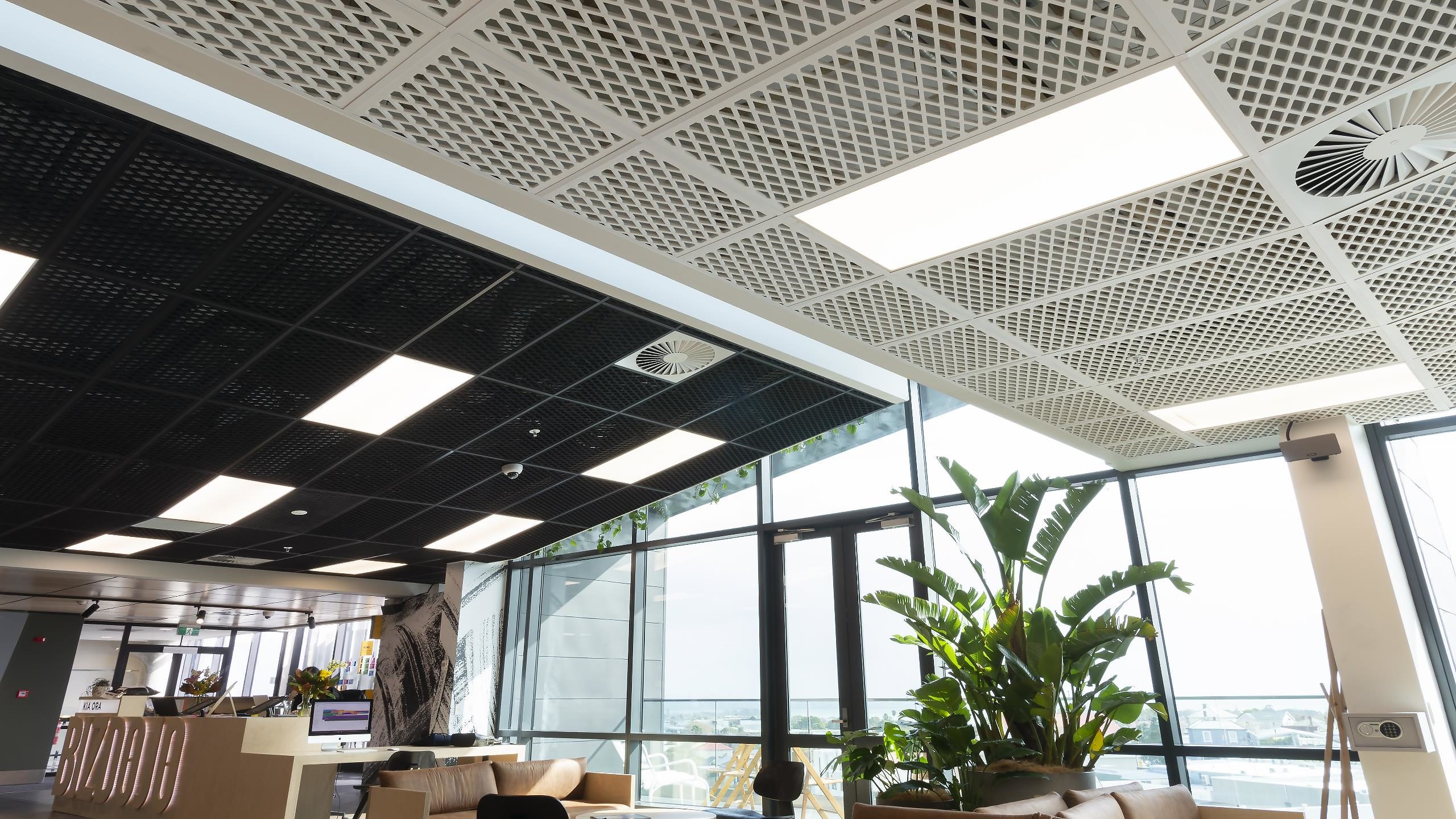
एल्युमिनियम मेश सीलिंग किसी भी प्रोजेक्ट को सिर्फ कार्यात्मक होने से बदलकर सचमुच यादगार बना सकती है। भवन मालिकों, आर्किटेक्ट्स, इंटीरियर डिज़ाइनर्स और डेवलपर्स के लिए चुनौती हमेशा एक जैसी होती है: दिखावट, कार्यक्षमता और अनुमानित लागत के बीच संतुलन बनाए रखना। सही सीलिंग सिर्फ देखने में ही अच्छी नहीं होती, बल्कि यह दिन के उजाले को अंदर आने देती है, अंदरूनी हिस्सों को छुपाती है, ध्वनि को बेहतर बनाती है और रखरखाव को आसान बनाती है। यह लेख बताता है कि कैसे एल्युमिनियम मेश सीलिंग सिस्टम डिज़ाइन के उद्देश्य को भरोसेमंद वास्तविकता में बदलते हैं और डिज़ाइन की स्वतंत्रता और जीवनकाल मूल्य को अधिकतम करते हुए आम गलतियों से बचने के लिए व्यावहारिक रणनीतियाँ दिखाता है।
विनिर्देशकर्ता क्यों हिचकिचाते हैं और एल्युमिनियम मेश सीलिंग इस समस्या का समाधान कैसे करती है?
छतें अक्सर अदृश्य और जटिल होती हैं, इसलिए डिज़ाइनर अक्सर हिचकिचाते हैं। एक छोटा सा पैटर्न देखने में आकर्षक लग सकता है, लेकिन असली रोशनी में फीका पड़ सकता है; एक हल्का पैनल बड़े क्षेत्र में झुक सकता है; एक जटिल छत से श्रम लागत बढ़ सकती है। एल्युमीनियम मेश की छतें इन सभी चिंताओं का समाधान करती हैं, क्योंकि ये विभिन्न आकारों में एक समान व्यवहार प्रदान करती हैं और डिज़ाइनरों को दृश्य सुंदरता के लिए कई विकल्प देती हैं।
अनुमानित पैमाना और दृश्य गहराई
जालीदार पैटर्न छत के एक हिस्से के स्वरूप को बदल देते हैं: घनी बुनाई एक ऐसी सतह का एहसास कराती है जो कमरे के अंदर की अव्यवस्था को छुपा देती है; वहीं खुला पैटर्न गहराई और विशालता को दर्शाता है। इस धारणा के कारण एक ही सामग्री का उपयोग करके विभिन्न भावनात्मक प्रभाव उत्पन्न करना संभव हो जाता है — किसी बुटीक की लॉबी में आत्मीयता का भाव, तो हवाई अड्डे के गलियारे में विशालता का एहसास।
बड़े क्षेत्रों में टिकाऊपन और समतलता
एल्युमिनियम टिकाऊ होता है: सही पैनल इंजीनियरिंग के साथ, एल्युमिनियम मेश सीलिंग पैनल मुड़ने से बचता है और अपनी सतह को समतल बनाए रखता है। केवल मोटाई पर ध्यान केंद्रित करने के बजाय, इस बात पर विचार करें कि पैनल की मजबूती, किनारों की बारीकियां और सपोर्ट स्पेसिंग किस प्रकार बड़े-बड़े हिस्सों में एक सपाट और प्रीमियम लुक प्रदान करते हैं। यहीं पर सिस्टम इंजीनियरिंग का महत्व सामने आता है: एक अच्छी तरह से डिज़ाइन किया गया एल्युमिनियम मेश सीलिंग सिस्टम मेश को सपोर्टिंग कैरियर के साथ इस तरह से समन्वित करता है कि सौंदर्य और कार्यक्षमता अविभाज्य हो जाते हैं।
स्थापना के दौरान जोखिम कम करना
मेश सीलिंग को इंस्टॉल करना आसान होता है। इसकी खुली संरचना के कारण बड़े पैनल हटाए बिना ही लाइटिंग और अन्य ज़रूरी चीज़ें लगाई जा सकती हैं; यह मटेरियल साइट पर टच-अप को आसानी से सहन कर लेता है; और इंस्टॉलेशन में प्लास्टर की ठोस सीलिंग की तुलना में ज़्यादा लचीलापन होता है। इस व्यावहारिकता के कारण महंगे रीवर्क से बचा जा सकता है और हैंडऑफ़ शेड्यूल को पूरा किया जा सकता है, जो डेवलपर्स के लिए ROI का एक प्रमुख कारक है।
पैटर्न, सरंध्रता और आकार के माध्यम से डिज़ाइन नियंत्रण
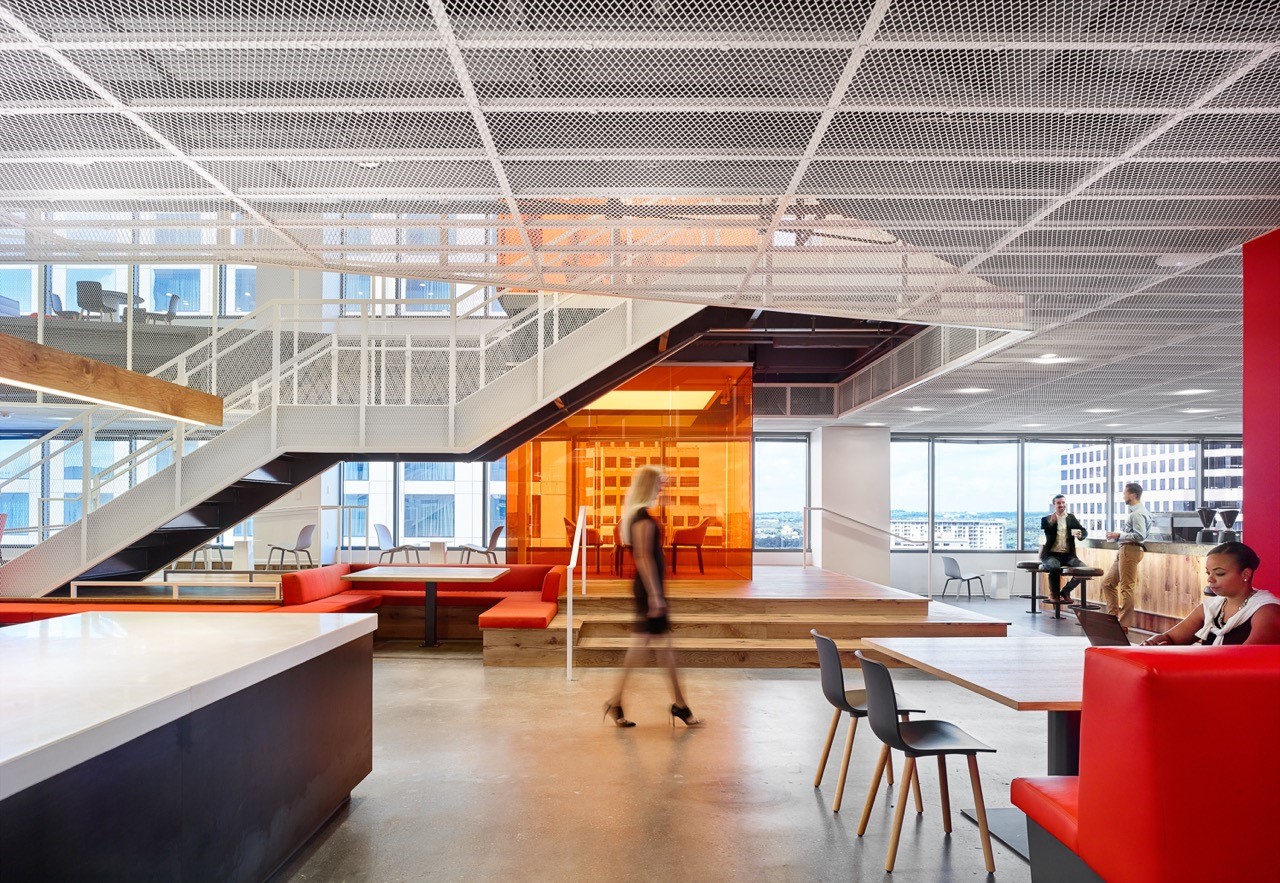
डिजाइनर प्रकाश और गति को आकार देने वाली सामग्रियों को प्राथमिकता देते हैं। एल्युमीनियम मेश सीलिंग प्रकाश, छाया और दृष्टि रेखाओं को सूक्ष्मता से नियंत्रित करने में उत्कृष्ट हैं, जिससे कार्यक्षमता खोए बिना एक परिष्कृत रंग संयोजन संभव हो पाता है।
एल्युमिनियम मेश सीलिंग पैनल में पैटर्न और टेक्सचर
मेश कई तरह की बुनाई और फिनिश में उपलब्ध है। सघन बुनाई से एक मुलायम, अर्ध-पारदर्शी छत बनती है जो प्रकाश को फैलाती है और प्लेनम को छुपाती है। खुली बुनाई इसके पीछे की गहराई पर ध्यान आकर्षित करती है, जो दोहरी ऊंचाई वाली जगहों के लिए आदर्श है जहाँ आप संरचना और सुविधाओं को समग्र रूप से प्रदर्शित करना चाहते हैं।
एल्यूमीनियम मेश सीलिंग पैनल का चुनाव पैटर्न चुनने से ज़्यादा इस बात पर निर्भर करता है कि आप सतह को कितना छिद्रयुक्त महसूस करना चाहते हैं। छिद्रयुक्तता दिन के उजाले के प्रवेश, ध्वनि व्यवहार और विभिन्न कोणों से देखने पर फ़िक्स्चर के दृश्य घनत्व को प्रभावित करती है; डिज़ाइनरों को वास्तविक प्रकाश में नमूनों का परीक्षण करना चाहिए ताकि यह सुनिश्चित हो सके कि पैटर्न इच्छानुसार दिखाई दे।
एल्युमिनियम मेश सीलिंग सिस्टम के साथ वक्र और निरंतरता
कुछ लोगों की धारणाओं के विपरीत, मेश गैर-आयताकार ज्यामिति के लिए अत्यधिक अनुकूलनीय है। एल्युमीनियम मेश सीलिंग सिस्टम के हिस्से के रूप में डिज़ाइन किए जाने पर, पैनल या निरंतर रोल हल्के घुमावों का अनुसरण कर सकते हैं, घुमावदार सोफिट बना सकते हैं या स्तंभों को लपेट सकते हैं। यह निरंतरता उस पैचवर्क जैसी बनावट से बचाती है जो तब उत्पन्न होती है जब विभिन्न सीलिंग सिस्टम को जबरदस्ती एक साथ जोड़ा जाता है।
विशेष या ब्रांडेड स्थानों के लिए, यह क्षमता सहज बदलाव और सशक्त डिज़ाइन कथाओं में परिणत होती है। इसका रहस्य प्रारंभिक समन्वय में निहित है: डिज़ाइन विकास के दौरान ही सपोर्ट लॉजिक और एज डिटेल्स को स्पष्ट रूप से निर्दिष्ट करें ताकि घुमावदार कार्यों को महंगे फील्ड समायोजन के बिना कारखाने में ही निर्मित किया जा सके।
व्यावहारिक प्रदर्शन: टिकाऊपन, ध्वनि गुण और रखरखाव
एक आकर्षक छत का कार्यकुशल होना आवश्यक है। एल्युमीनियम की जाली तीन आम व्यावहारिक चिंताओं का सरल और निर्णय-केंद्रित तरीके से समाधान करती है।
स्थायित्व और यातायात
एल्यूमीनियम जंग प्रतिरोधी होता है और अधिक उपयोग वाले आंतरिक भागों में घिसावट को सहन कर सकता है। कोटिंग और एनोडाइजिंग अलग-अलग रखरखाव विकल्प प्रदान करते हैं: एनोडाइज्ड फिनिश खरोंच के प्रति अत्यधिक प्रतिरोधी होते हैं और इन्हें न्यूनतम टच-अप की आवश्यकता होती है, जबकि पेंटेड फिनिश आपको ब्रांड के रंगों से मेल खाने या कंट्रास्ट बनाने की सुविधा देते हैं।
अपेक्षित टूट-फूट के अनुरूप सही फिनिश का चयन करने से समय से पहले नवीनीकरण की लागत से बचा जा सकता है और छत की दृश्य अखंडता बनी रहती है। लॉबी और अन्य बार-बार स्पर्श किए जाने वाले क्षेत्रों के लिए, ऐसी फिनिश और किनारों के विवरण को प्राथमिकता दें जो संपर्क बिंदुओं को छिपाते हैं और समय-समय पर सफाई को आसान बनाते हैं।
ध्वनिक आराम
खुली धातु की छतों को अक्सर शोरगुलदार समझा जाता है। वास्तव में, ध्वनिरोधी आवरण या उपयुक्त इन्सुलेशन के साथ इस्तेमाल करने पर, एल्युमीनियम की जालीदार छतें प्रतिध्वनि और ध्वनि की स्पष्टता में काफी सुधार कर सकती हैं। जाली को एक सांस लेने योग्य परत की तरह समझें: यह ध्वनि-अवशोषक पदार्थों को अपना काम करने देती है, जो दिखाई नहीं देते। डिज़ाइनर दृश्य अवशोषण (नरम, दबी हुई ध्वनि के लिए) और छिपे हुए अवशोषण (ध्वनि से समझौता किए बिना स्वच्छ सौंदर्य के लिए) में से चुनाव कर सकते हैं।
निर्णय कार्यक्रम-आधारित होने चाहिए: एक व्यस्त परिवहन क्षेत्र अधिक जीवंत ध्वनि को स्वीकार कर सकता है, जबकि एक बोर्डरूम या पुस्तकालय जाली के पीछे केंद्रित अवशोषण रणनीतियों से लाभान्वित होता है।
आसान पहुंच और कम रखरखाव
भवन मालिकों के लिए एक बड़ा फायदा है सुगम पहुंच। वायर मेश सीलिंग डिज़ाइन से लाइटिंग, सेंसर और डक्टवर्क तक बिना किसी बड़े व्यवधान के आसानी से पहुंचा जा सकता है। चूंकि मेश को पैनलों या मॉड्यूलर ग्रिड में लगाया जाता है, इसलिए रखरखाव टीमें सर्विस के लिए छत के बाकी हिस्से को सुरक्षित रखते हुए उसके कुछ हिस्सों को हटा सकती हैं। इस सुगम संचालन से डाउनटाइम और रखरखाव में लगने वाला श्रम कम हो जाता है - जिससे सुविधा प्रबंधकों को नियमित और स्पष्ट बचत होती है।
विनिर्देश बनाते समय, उन उपकरणों के पास पहुंच क्षेत्र की योजना बनाएं जिन्हें बार-बार ध्यान देने की आवश्यकता होती है और रखरखाव अनुक्रमों को दस्तावेज़ित करें ताकि निर्माण दल साइट पर तात्कालिक उपाय न करें।
लाइटिंग और एमईपी के साथ एकीकरण
लेयर्ड लाइटिंग तकनीकों के साथ मेश का प्रदर्शन बहुत अच्छा रहता है। बैकलाइट वाली छतें तब एक अलौकिक चमक पैदा करती हैं जब प्रकाश महीन मेश से छनकर आता है; पेंडेंट और डाउनलाइट फिक्स्चर को मेश की निरंतर दृश्यता को बाधित किए बिना कैरियर पर लगाया जा सकता है। MEP के लिए, सामग्री की खुली बनावट से हवा का प्रवाह आसान हो जाता है, जबकि समन्वित कटआउट और एक्सेस पैनल यह सुनिश्चित करते हैं कि सेवाएं सुलभ बनी रहें। इससे निर्माण में समन्वय संबंधी परेशानियां कम होती हैं और भविष्य के अपग्रेड सरल हो जाते हैं।
फिक्स्चर सेंटर, डिफ्यूज़र लोकेशन और सर्विस रूटिंग की प्रारंभिक मैपिंग से छत का दृश्य रूप से निर्बाध रहना सुनिश्चित होता है, साथ ही प्रदर्शन संबंधी आवश्यकताओं को भी पूरा किया जा सकता है।
अवधारणा से लेकर हस्तांतरण तक: वन-स्टॉप सेवा और प्रैंस
बड़े वाणिज्यिक प्रोजेक्ट तभी सफल होते हैं जब टीम में बार-बार काम सौंपने की ज़रूरत कम हो और फीडबैक की अवधि कम हो। एक ऐसा साझेदार जो साइट माप → डिज़ाइन को बेहतर बनाना (विस्तृत शॉप ड्राइंग) → उत्पादन → स्थापना की निगरानी करता है, कई आम विफलताओं को दूर कर देता है।
PRANCE इस भूमिका में वास्तुकार के इरादे को निर्माण योग्य विवरणों में परिवर्तित करके, इंजीनियर एल्यूमीनियम मेश सीलिंग पैनल तैयार करके और साइट पर इंस्टॉलर को ड्राइंग और वास्तविकता के बीच संरेखण की पुष्टि करने में सहायता करके कार्य करता है।
इसका व्यावहारिक लाभ तुरंत मिलता है: सटीक साइट माप से पैनलों की गलत कटाई को रोका जा सकता है; पूरी तरह से तैयार किए गए शॉप ड्रॉइंग में अटैचमेंट, कटआउट, एक्सेस ज़ोन और फिनिश समन्वय निर्दिष्ट होते हैं; फ़ैक्टरी उत्पादन में टॉलरेंस और फिनिश की निरंतरता बनी रहती है; और इंस्टॉलेशन की देखरेख से सीलिंग, लाइटिंग और MEP ट्रेडों के बीच समन्वय संबंधी समस्याओं का समाधान हो जाता है, इससे पहले कि वे बदलाव के आदेश बन जाएं। यह निरंतरता RFIs को कम करती है, शेड्यूल संबंधी जोखिम को घटाती है और सौंदर्यपूर्ण परिणाम को बनाए रखती है।
मालिकों के लिए, यह अप्रत्याशित स्थितियों और जीवनचक्र लागत में होने वाली भिन्नता को सीमित करता है; डिजाइनरों के लिए, यह सुनिश्चित करता है कि रेंडर में दिखाई देने वाली छत वास्तव में वही छत हो जो उन्हें सौंपी जाए।
विशिष्टीकरण रणनीतियाँ जो वास्तविक समस्याओं का समाधान करती हैं
मानकों की सूची के बजाय, तीन सरल निर्णय कारकों पर विचार करें जो विनिर्देशों को साइट पर उपयोगी बनाते हैं।
सामग्री का उद्देश्य: अपेक्षित उपयोग और सफाई प्रक्रियाओं के अनुरूप आधार धातु और फिनिश का चयन करें। नमीयुक्त आंतरिक वातावरण के लिए, एनोडाइज्ड फिनिश या नमी-प्रतिरोधी कोटिंग का उपयोग करें; शुष्क, नियंत्रित आंतरिक वातावरण के लिए, आप पेंट या कस्टम-रंग विकल्पों को प्राथमिकता दे सकते हैं।
सपोर्ट लॉजिक: यह स्पष्ट करें कि मेश छत की संरचना से कैसे जुड़ता है। क्या लक्ष्य एक निर्बाध समतल सतह है या एक सुव्यवस्थित मॉड्यूलर ग्रिड? परिधि और दीवारों तथा शीशे के साथ जंक्शनों पर की गई बारीकियां इसकी गुणवत्ता को निर्धारित करती हैं।
सेवा पहुंच: पहुंच बिंदुओं को पहले ही परिभाषित करें। प्रकाश व्यवस्था, स्प्रिंकलर और डिफ्यूज़र कहाँ स्थित हैं? इन क्षेत्रों में हटाने योग्य पैनल या कब्जेदार पहुंच का डिज़ाइन करने से छत का दृश्य प्रवाह बना रहता है और साथ ही सेवा सुविधा भी उच्च स्तर पर बनी रहती है।
एक परिदृश्य मार्गदर्शिका: आपके स्थान के लिए कौन सा मेश सही है?
नीचे एक सरल, अनुप्रयोग-केंद्रित तालिका दी गई है जो दो सामान्य दृष्टिकोणों के बीच चयन करने में मदद करेगी: लॉबी के लिए एक परिष्कृत अर्ध-अपारदर्शी जाल और औद्योगिक-ठाठ वाले स्थानों के लिए एक अधिक खुला संरचनात्मक जाल।
परिदृश्य | अनुशंसित मेश प्रकार | यह कैसे काम करता है |
कॉर्पोरेट लॉबी, आलीशान होटल | छिपे हुए ध्वनिरोधी सपोर्ट के साथ महीन एल्यूमीनियम जालीदार छत पैनल | यह एक सौम्य, सुरुचिपूर्ण सतह बनाता है जो सुविधाओं को छुपाता है और सूक्ष्म प्रकाश व्यवस्था के साथ दिशा-निर्देश को बेहतर बनाता है। |
ट्रांजिट कॉनकोर्स, रिटेल हॉल | खुली तार की जाली वाली छत जिसमें खुला प्लेनम और मजबूत वाहक लगे हों | यह बड़े पैमाने पर उपयोग को बढ़ावा देता है, वेंटिलेशन को सरल बनाता है और लागत को कम करता है, साथ ही रखरखाव के लिए आसान पहुँच प्रदान करता है। |
नोट: यह तालिका केवल एक मार्गदर्शक है और अंतिम निर्णय प्रकाश के स्तर, दृष्टि रेखाओं और ब्रांड की अपेक्षाओं पर निर्भर करता है।
लागत, मूल्य और निवेश पर लाभ: इकाई मूल्य से परे सोचें
एल्यूमीनियम मेश सीलिंग कई मायनों में मूल्यवर्धन करती है, जिन्हें किसी लाइन-आइटम कोटेशन में शायद ही नज़रअंदाज़ किया जा सके। शुरुआती सामग्री लागत की तुलना इंस्टॉलेशन की गति, कम मरम्मत कार्य, रखरखाव में आसानी और जीवनचक्र में फिनिश की गुणवत्ता से की जानी चाहिए। उदाहरण के लिए, एनोडाइज्ड एल्यूमीनियम मेश की शुरुआती लागत पेंट किए गए स्टील से अधिक हो सकती है, लेकिन यह टच-अप के प्रति प्रतिरोधी होती है और भवन के जीवनकाल में इसे कम बार पेंट करने की आवश्यकता होती है।
ग्राहकों के सामने इन लाभों और हानियों को प्रस्तुत करने से सीमा को एक दीर्घकालिक निवेश के रूप में पुनः परिभाषित किया जाता है: स्वामित्व की कुल लागत कम होना अक्सर सबसे सस्ते प्रारंभिक विकल्प से बेहतर साबित होता है, विशेष रूप से उच्च-प्रोफ़ाइल स्थानों में जहां सीमा सीधे तौर पर संपत्ति के अनुमानित मूल्य में योगदान करती है।
परियोजना में आने वाली आम समस्याएं और उनसे बचने के तरीके
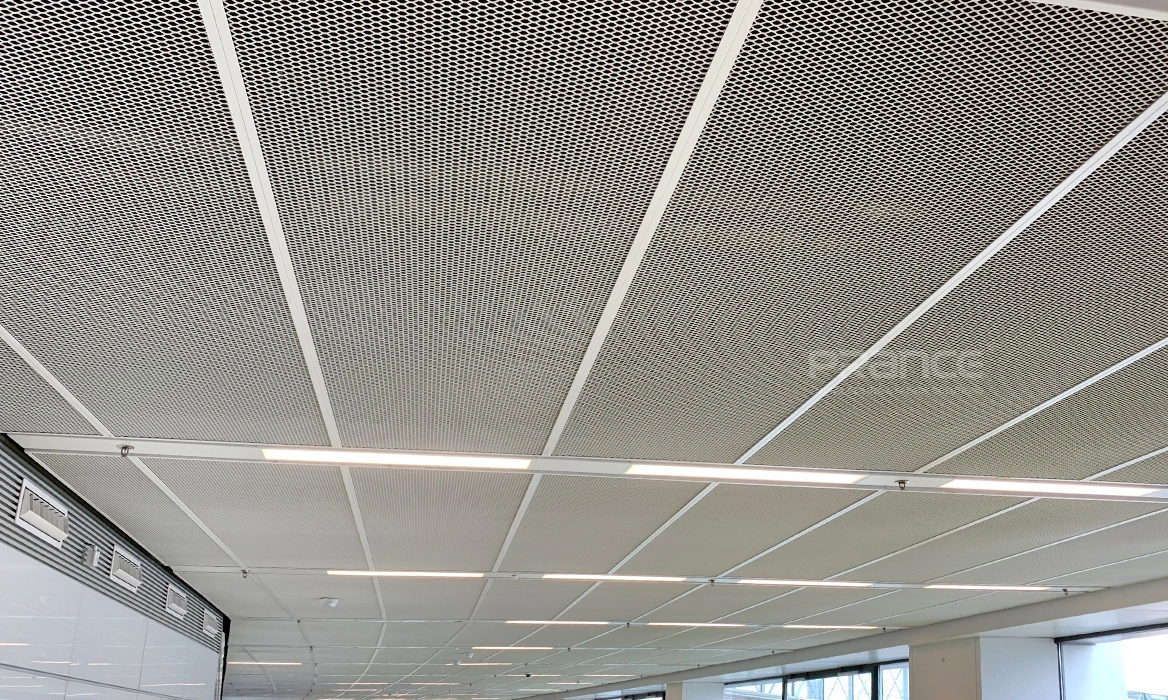
छतों से जुड़ी अधिकांश समस्याएं देर से लिए गए निर्णयों और अलग-अलग कामगारों के कारण उत्पन्न होती हैं। इन समस्याओं से बचने के लिए, छत आपूर्तिकर्ता को डिज़ाइन विकास के शुरुआती चरण में ही शामिल करें, उन्हें समन्वय बैठकों में शामिल करें जहां एमईपी और प्रकाश व्यवस्था पर चर्चा होती है, और उन महत्वपूर्ण क्षेत्रों के लिए मॉक-अप पर जोर दें जहां फिनिश और प्रकाश का परस्पर प्रभाव सबसे अधिक मायने रखता है।
लॉबी बे का एक भौतिक मॉक-अप यह बताएगा कि पैटर्न कैसे दिखते हैं, प्रकाश कैसे व्यवहार करता है, और किन बारीकियों की आवश्यकता है, जिससे बाद में कई बदलाव के आदेशों से बचा जा सकेगा और परियोजना के समय-सारणी को सुरक्षित रखा जा सकेगा।
स्थिरता और पुन: उपयोग
एल्युमिनियम आसानी से रिसाइकिल हो जाता है, और कई मेश सिस्टम (जैसे मेटल मेश सीलिंग या वायर मेश सीलिंग) को अलग-अलग करके इस्तेमाल करने के लिए डिज़ाइन किया गया है। जो मालिक सस्टेनेबिलिटी के लक्ष्यों को पूरा करना चाहते हैं, वे ऐसे सिस्टम चुनें जिनमें पैनलों को निकालकर उनका इस्तेमाल किया जा सके, और कम VOC वाले पेंट को प्राथमिकता दें। फिट-आउट में बदलाव या भविष्य के नवीनीकरण में पैनलों का दोबारा इस्तेमाल करने से कचरा कम होता है और यह किसी इमारत की सर्कुलर रणनीति का एक ठोस हिस्सा बन सकता है। लेबल वाले पैनलों और एक डिसमेंटलिंग प्लान को शामिल करने पर विचार करें ताकि भविष्य में काम करने वाली टीमें सामग्री को लैंडफिल में भेजने के बजाय उसका दोबारा इस्तेमाल कर सकें।
FAQ
प्रश्न 1: क्या एल्युमीनियम की जाली वाली छतें नमीयुक्त बाहरी छज्जों या ढके हुए बाहरी स्थानों में इस्तेमाल की जा सकती हैं?
जी हां, लेकिन आपको ऐसे फिनिश और फिटिंग का चुनाव करना होगा जो गीले या नमी वाले वातावरण के लिए उपयुक्त हों। एनोडाइज्ड एल्युमीनियम या समुद्री-ग्रेड कोटिंग जंग लगने के जोखिम को कम करती हैं, और स्टेनलेस स्टील के फास्टनर और जल निकासी के अनुकूल विवरण नमी को जमा होने से रोकते हैं। किनारों और जोड़ों को इस तरह से तैयार करवाएं कि पानी आसानी से बह जाए। सही सामग्री और विवरण के साथ, जालीदार छत सुरक्षित बाहरी क्षेत्रों में बिना बार-बार रखरखाव के एक टिकाऊ संरचना बन सकती है।
प्रश्न 2: रखरखाव टीमें मेश सीलिंग के ऊपर की सेवाओं तक कैसे पहुंचती हैं?
जालीदार छत की एक प्रमुख विशेषता इसकी सुगम पहुंच है। पैनल आमतौर पर मॉड्यूलर या कैरियर-माउंटेड होते हैं, जिससे अलग-अलग हिस्सों को आसानी से अलग किया जा सकता है या स्थानीय सेवा के लिए खोला जा सकता है। AV रैक या बार-बार लाइटिंग रखरखाव जैसे अधिक उपयोग वाले सर्विस पॉइंट्स के लिए, डिज़ाइनर हिंज्ड पैनल या हटाने योग्य फ्रेम का विकल्प चुन सकते हैं। इससे डाउनटाइम कम होता है और बड़े पैमाने पर व्यवधान से बचा जा सकता है; रखरखाव एक बड़े नवीनीकरण कार्य के बजाय एक अनुमानित, कम लागत वाली प्रक्रिया बन जाती है।
Q3: क्या यह अनियमित छतों वाली पुरानी इमारतों के नवीनीकरण के लिए उपयुक्त है?
बिल्कुल। मेश सिस्टम सतह की खामियों को आसानी से संभाल लेते हैं क्योंकि ये लटके हुए होते हैं और असमान संरचनाओं को जोड़ सकते हैं। इंस्टॉलर अक्सर एक समतल सस्पेंशन फ्रेम बनाते हैं जो पुरानी छत से अलग एक साफ और स्पष्ट सतह प्रदान करता है। इस फ्रेम में सर्विस रूट, लाइटिंग और डिफ्यूज़र लगाए जा सकते हैं ताकि तैयार सतह देखने में आकर्षक और उच्च गुणवत्ता वाली लगे, भले ही नीचे की संरचना अनियमित हो।
प्रश्न 4: क्या जालीदार छत बैठक कक्षों में ध्वनि गोपनीयता को प्रभावित करेगी?
जालीदार छत में ध्वनि अवशोषण की क्षमता सीमित होती है, लेकिन छिपे हुए ध्वनिक उपचारों के साथ इसका संयोजन बेहद कारगर होता है। जाली के पीछे एक पतली ध्वनिक परत या स्थानीयकृत अवशोषक पैनल, सौंदर्य को प्रभावित किए बिना प्रतिध्वनि और ध्वनि की स्पष्टता को नियंत्रित कर सकते हैं। यह तरीका ध्वनिक लक्ष्यों को पूरा करते हुए कमरे की बाहरी सतह को परिष्कृत बनाए रखने में मदद करता है; डिज़ाइनर कार्यक्रम की आवश्यकताओं के आधार पर ध्वनि गोपनीयता या परिवेश की कोमलता में से किसी एक को प्राथमिकता दे सकते हैं।
Q5: क्या आप सौंदर्यबोध को बिगाड़े बिना प्रकाश व्यवस्था और एचवीएसी को एकीकृत कर सकते हैं?
जी हाँ। प्रारंभिक समन्वय ही सफलता की कुंजी है: डिज़ाइन विकास के दौरान प्रकाश व्यवस्था, डिफ्यूज़र और स्प्रिंकलर के स्थान की योजना इस प्रकार बनाएं कि कटआउट स्पष्ट और संरेखित हों। कैरियर-माउंटेड फिक्स्चर और छिपे हुए खांचे फिक्स्चर को मेश के पीछे या भीतर रखने की सुविधा देते हैं, जिससे एक निर्बाध दृश्य क्षेत्र बनता है। मेश की खुलापन वेंटिलेशन रणनीतियों को भी बढ़ावा देता है और सुविधाओं से जुड़ी टीमों के लिए भविष्य में अपग्रेड या पुनर्गठन को आसान बनाता है।
निष्कर्ष
एल्यूमीनियम मेश सीलिंग सिर्फ एक सजावटी विकल्प से कहीं बढ़कर है — यह एक समस्या-समाधानकारी सतह है जो सौंदर्य, कार्यक्षमता और जीवनचक्र मूल्य के बीच संतुलन बनाती है। जब इसे अलग-अलग संख्याओं के बजाय सिस्टम के व्यवहार को ध्यान में रखकर डिज़ाइन किया जाता है, तो यह डिज़ाइनरों को स्वतंत्रता और मालिकों को पूर्वानुमानित प्रदर्शन प्रदान करता है। एक एकीकृत आपूर्तिकर्ता के साथ साझेदारी करना जो माप, इंजीनियरिंग, उत्पादन और स्थापना का काम संभालता है, जोखिम को कम रखता है और यह सुनिश्चित करता है कि कागज़ पर आप जिस सीलिंग का विवरण देते हैं, वही सीलिंग आपको वास्तविकता में मिले।
जिन परियोजनाओं में डिज़ाइन का उद्देश्य, निर्माण क्षमता और अंतिम गुणवत्ता तीनों समान रूप से महत्वपूर्ण होते हैं, वहां एक अनुभवी टीम के साथ काम करना निर्णायक साबित होता है। अपनी परियोजना के लक्ष्यों पर चर्चा करने और यह जानने के लिए कि कैसे एक पूर्ण रूप से समन्वित एल्युमीनियम मेश सीलिंग समाधान आपके विचार को एक सटीक और निर्माण योग्य परिणाम में बदल सकता है, PRANCE टीम से संपर्क करें ।