



What Are Acoustic Ceiling Supplies and How Can They Transform Your Office?
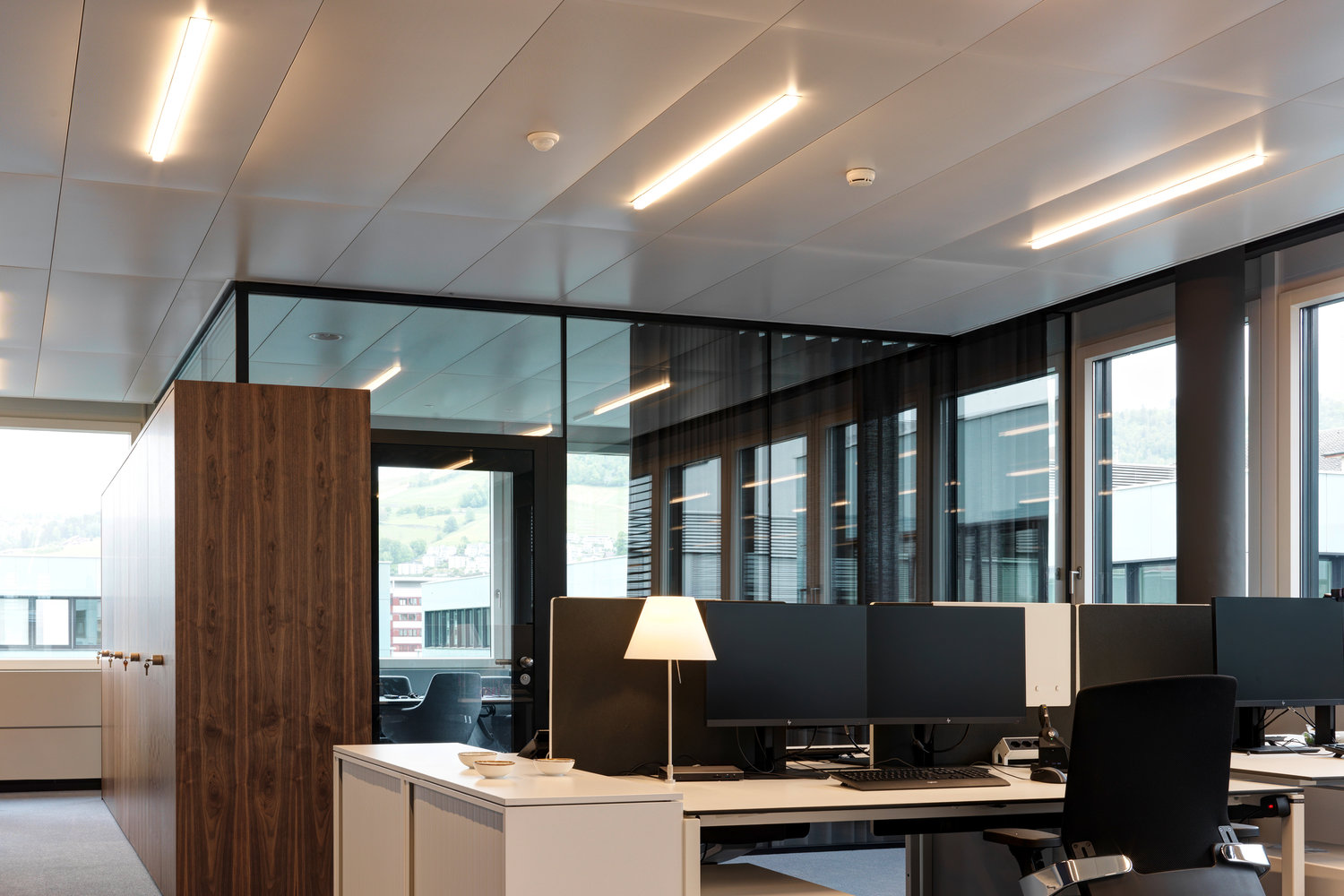
Productivity and comfort can be much improved in an office space depending on its feel. Employee performance and overall satisfaction may suffer in a busy workplace with high levels of distracting noise and poorly designed surroundings. Here is where the acoustic ceiling supplies come in to transform power. These materials not only improve an office's acoustics but also provide greater utility and a professional look. Knowing what acoustic ceiling products provide will enable you to make a better decision whether you are overseeing a commercial or industrial project.
Let's investigate in great detail what acoustic ceiling supplies are, how they operate, and how they might make your workplace a comfortable and productive space.
What Are Acoustic Ceiling Supplies?
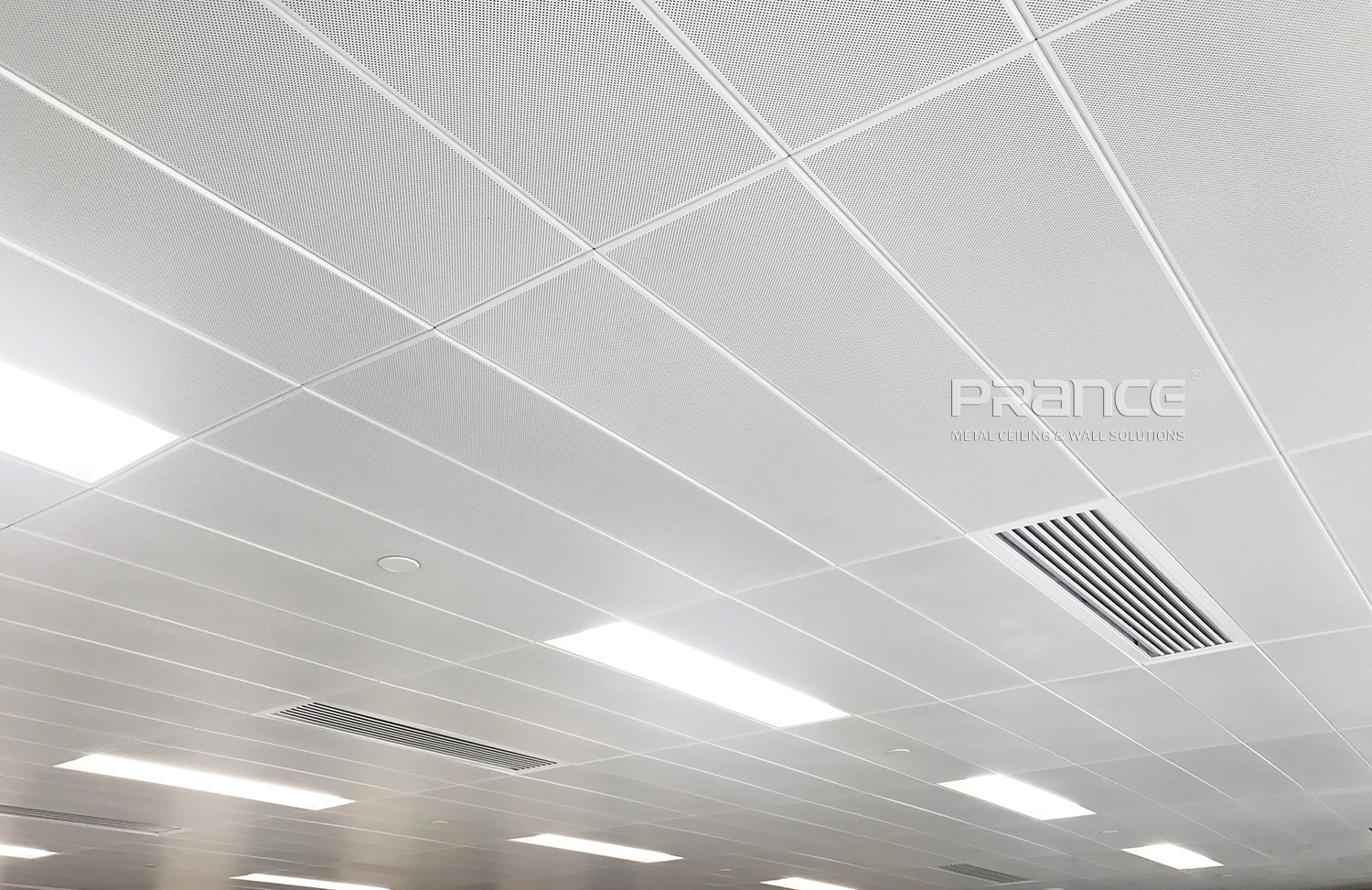
Acoustic ceiling supplies are a spectrum of materials meant to enhance sound quality and reduce noise levels in a given environment. These materials usually consist of suspended ceiling panels composed of metal, such as aluminum, stainless steel, or titanium in the setting of commercial and industrial offices. These components are selected for their strength and capacity to preserve structural integrity in difficult surroundings.
Perforation and NRC Performance
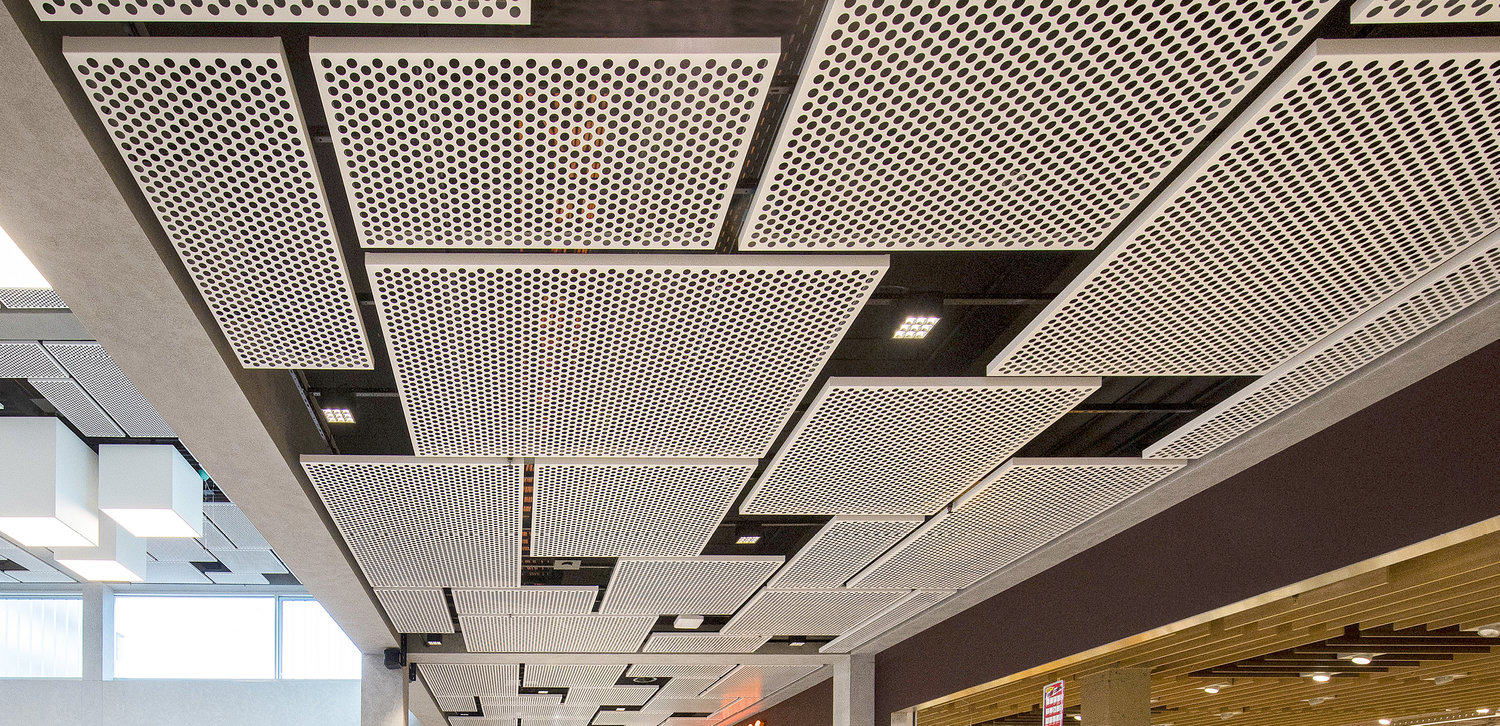
The perforated design is one main feature of acoustic ceiling supply. The Perforation Rate, which refers to the percentage of open area on the panel surface, directly dictates how sound waves interact with the material. By optimizing this rate, manufacturers can precisely tune the Noise Reduction Coefficient (NRC) to ensure maximum sound absorption and lower echo across open spaces. To achieve high NRC ratings, manufacturers often insert insulating materials like Rockwool or Sound Tex acoustic film behind these panels to trap sound energy and improve soundproofing.
Strategic Advantage Over Mineral Fiber
Unlike traditional mineral fiber which often sags or stains due to moisture, metal panels provide superior structural resilience. They maintain a consistent Class A fire rating and reliable NRC performance for decades, even in humid conditions. This durability ensures a professional, maintenance-free acoustic environment that outlasts fiber-based alternatives.
How These Supplies Transform Your Office Environment
Acoustic Optimization: Reducing Decibels and Enhancing Focus
Soundproofing is the main use for acoustic ceiling supply; this is particularly crucial in industrial buildings or open-plan offices where noise can become a major problem. Bad acoustics could cause distractions, lower concentration, and even more employee stress. By absorbing sound and reducing noise disturbances, an acoustic ceiling addresses this issue squarely.
Mechanism of Sound Absorption
The insulation elements paired with perforated metal panels allow sound waves to pass through and be trapped within the acoustic fleece. This mechanism ensures that noise does not ricochet around the room, significantly lowering resonance and echo. Whether managing the hum of machinery or ambient office chatter, this system drastically cuts unwanted noise to create a focused work environment.
Ensuring Confidentiality and Clarity
These acoustic ceilings are essential for conference rooms where Speech Intelligibility is a priority. Beyond simple noise reduction, high-performance ceilings improve Ceiling Attenuation Class (CAC) to prevent sound from traveling through the ceiling plenum into adjacent offices. This level of control protects confidential conversations and ensures privacy for companies where secure communication is vital.
Visual Identity: Modernizing through Customization
Not only does an acoustic ceiling provide a practical use, but it also helps an office look overall. Modern suspended ceiling panels provide a neat and professional look and are made to go very nicely with modern office environments. Any area gains some refinement from the metallic finishes, which come in several tones and textures.
Customization and Professional Finish
Customizing choices helps one easily match the design of the ceiling with the office's identity and aesthetics. Manufacturers provide a range of panel sizes, forms, and perforation patterns to let imaginative layouts fit the general design concept. For example, geometric perforated panels can provide a visual accent while still being acoustic.
Particularly helpful in big business areas, a well-designed ceiling can also give the impression of more open and orderly surroundings. For companies trying to improve both appearance and performance, acoustic ceilings are a popular option because of their mix of form and function.
Financial Efficiency: Transforming CapEx into Long-term ROI
Durability is the primary concern when investing in acoustic ceiling materials for premium commercial projects. In modern office environments, these metallic systems are engineered to maintain a pristine appearance regardless of the building's age. Using high-grade metals like aluminium and stainless steel ensures that the ceiling panels resist structural sagging and retain their precise alignment for over 20 years.
Maximizing ROI through Total Cost of Ownership
When evaluating financial impact, it is essential to focus on the Total Cost of Ownership. While the initial investment cost for metallic ceilings is higher than mineral fiber, the long-term financial advantages are undeniable. Because metal is resistant to humidity and stains, ongoing maintenance and operational expenses are significantly reduced due to the material's exceptionally long life cycle. This modular and durable design eliminates the need for frequent replacements, preserving both the professional look and the overall asset value of the commercial property.
Occupant Well-being: Light Reflectance and WELL Standard Alignment
Acoustic ceiling materials contribute to a healthier workspace by addressing environmental stressors that impact employee well-being. Excessive noise in the office can lead to fatigue, decreased concentration, and long-term stress. By effectively lowering decibel levels, these ceilings create a focused environment that aligns with international WELL Building Standards for acoustic comfort.
Light Reflectance and Visual Comfort
Apart from acoustic control, many metallic ceilings feature high Light Reflectance Values. These reflective surfaces optimize both natural and artificial light distribution, reducing the need for high-intensity overhead lighting that often causes eye strain. By maximizing available light, businesses can create a more pleasant atmosphere while significantly lowering energy consumption.
Sustainability and Air Quality
Moreover, certain producers of acoustic ceiling products apply environmentally friendly materials and techniques. This helps to create a better working atmosphere and fits the sustainability objectives of many modern companies.
How to Specify the Right Acoustic Supply for Your Project
Selecting the ideal acoustic ceiling involves balancing the Noise Reduction Coefficient (NRC) for open areas and Ceiling Attenuation Class (CAC) for private zones. For high-traffic lobbies, a durable aluminium panel with a 2.5mm perforation pattern provides the best mix of aesthetics and sound scattering. Conversely, for corporate boardrooms, specifying panels with a balanced NRC of 0.70 to 0.75 ensures crystal clear speech intelligibility and sufficient sound absorption to prevent echo during global video conferences without making the room feel acoustically dead.
Conclusion
Commercial and industrial projects would benefit much from acoustic ceiling supplies since they provide a strong mix of durability, appearance, and utility. From bettering sound quality to boosting the appearance and feel of a workplace, these products have the ability to change workspaces into more comfortable and productive settings. Their capacity to manage the rigors of industrial buildings and crowded offices guarantees their performance and lifetime value.
If you’re ready to explore how acoustic ceiling supplies can elevate your office space, PRANCE Metalwork Building Material Co. Ltd is here to help. With a focus on quality and customization, their solutions are designed to meet the unique needs of commercial and industrial projects. Contact PRANCE today to discuss your project and discover how their expertise can bring your vision to life.
FAQs
1. How do I choose between different perforation patterns for my office?
Small micro-perforations ceiling are ideal for absorbing high-frequency office chatter while maintaining a sleek look. Larger patterns are better suited for high-ceiling lobbies or industrial spaces where bold architectural texture and broader sound scattering are required.
2. Can acoustic ceiling supplies be integrated into existing drop ceiling kits?
Yes. Most metal panels are designed for standard T-grid suspension systems. This allows you to upgrade specific areas by replacing old mineral tiles with high-performance metal panels without needing to replace the entire support structure, saving both time and labor.
3. Do metal acoustic panels provide easy access to the ceiling plenum?
Absolutely. Unlike permanent drywall, these modular systems allow individual panels to be removed easily. This provides maintenance teams with instant access to the ceiling plenum for servicing MEP systems, wiring, or HVAC ducts without damaging the rest of the ceiling.
4. How do these materials impact the fire safety rating of a building?
Premium aluminum and steel acoustic supplies are non-combustible and typically carry a Class A fire rating. They do not contribute to flame spread or smoke development, ensuring the building meets strict safety codes for high-occupancy commercial and industrial environments.
5. Are there specific installation requirements to ensure maximum NRC performance?
To reach rated NRC levels, ensure the acoustic backing is correctly seated and not compressed. Maintaining a consistent air gap in the plenum helps trap low-frequency sounds. Consulting with a specialist like PRANCE ensures the system meets its specific acoustic design targets.