



10 Easy Steps to Soundproof Your Apartment Ceiling for Better Privacy
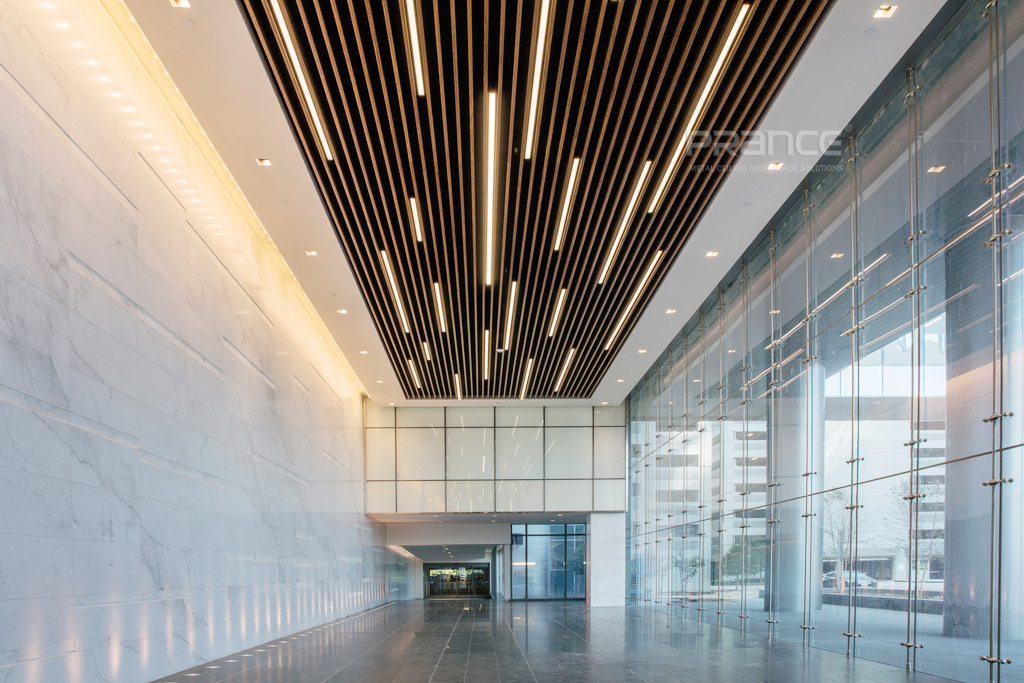
One unwelcome visitor in commercial environments is noise. Every designer and builder has to deal with noise, whether it's the continual hum of office machinery, echoes in a hospital corridor, or sound pouring through conference room ceilings. In an apartment-like commercial environment, soundproofing the ceiling guarantees the privacy and usefulness of the area, in addition to lowering unwelcome noise.
How to soundproof a ceiling in an apartment? For this question, the technique becomes sensible and efficient using metallic perforated panels and insulating materials such as SoundTex acoustic film or rockwool. For a calmer and more productive workplace, let's investigate the ten most successful techniques for soundproofing ceiling in apartment-style commercial buildings.
Why Soundproofing Ceiling in Apartment-Style Commercial Spaces Is Important?
In apartment-style commercial facilities, soundproofing the ceiling is about building conditions that support professionalism, comfort, and concentration rather than only noise reduction. While in hotels, it can affect the visitor experience, in offices, too much noise can cause production to suffer. For staff productivity and patient healing, hospitals also need silence.
Soundproofing guarantees privacy and lowers distractions, enabling people to converse and carry out their work more easily. Sound-deadening ceilings add value to the property and improve general functionality by addressing both airborne and impact noise, therefore preserving a balanced acoustic environment fit to the particular requirements of commercial areas.
Step 1: Identify Noise Sources and Problem Areas
Understanding where the noise is coming from is the first step towards apartment soundproofing ceilings. Are floors above footfall noise, airborne noises like discussions, or machinery vibrations? Finding these sources will help one choose appropriate soundproofing techniques.
Mapping Noise for Effective Soundproofing
Identifying the specific type and location of noise helps determine the right soundproofing approach. For example, footfall or impact noise may require additional insulation or vibration dampers, while airborne noise from neighboring rooms can be addressed with perforated panels combined with acoustic backing.
In apartment-style commercial environments or co-working spaces, mapping the noise patterns ensures that ceiling areas with the highest sound transfer are prioritized, making the soundproofing solution both efficient and cost-effective.
Step 2: Select Core Sound-Absorbing Materials
A breakthrough for soundproofing apartment ceilings is perforated metal panels. These panels, made from aluminum or steel with hole diameters of 3–10 mm and a certain NRC rate, are designed to capture sound waves, significantly reducing echoes and reverberation.
Materials and Acoustic Performance
The combination of perforated metal and acoustic backing provides effective sound absorption while maintaining a sleek, modern look. Aluminum panels are lightweight and corrosion-resistant, making them ideal for long-term use in apartments or commercial spaces.
These panels are particularly suited for open-plan offices, conference rooms, and apartment-style commercial spaces, where both aesthetics and acoustic control are important. Their elegant designs not only improve sound management but also enhance the visual appeal of the ceiling.
Step 3: Add an Insulation Layer Behind Panels
Insulating materials paired with perforated panels improve their acoustic performance. In this sense, Rockwool and SoundTex acoustic films are rather successful. Whereas SoundTex serves as an extra barrier for noise absorption, Rockwool's dense construction traps sound.
By installing these materials beneath the panels, you create a two-layer soundproofing that guarantees little sound transfer between floors or rooms.
Step 4: Seal Gaps and Cracks in the Ceiling
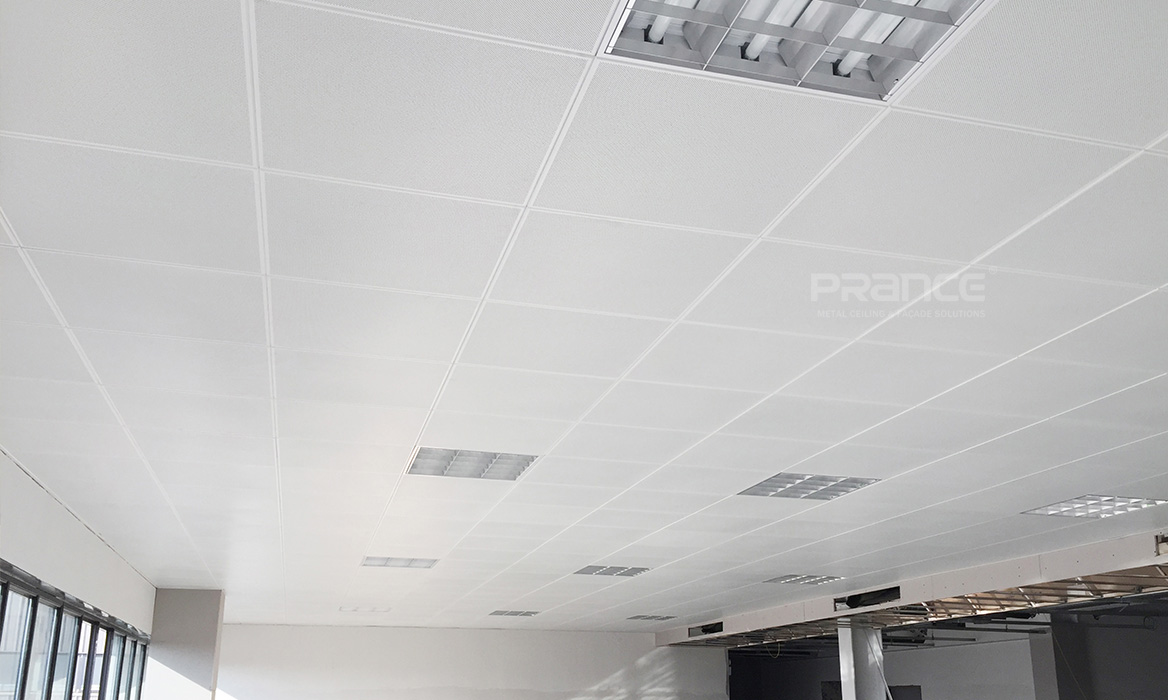
If there are ceiling fractures or gaps, even the best soundproofing materials won't help. Noise can find routes via these tiny apertures. Before the panels are installed, fill these spaces with premium acoustic sealants.
In older commercial buildings whose ceilings may have developed cracks over time, this stage is crucial. A complete sealing procedure lays a strong basis for the system of soundproofing.
Step 5: Incorporate Acoustic Baffles or Clouds (if high ceilings)
Large commercial spaces with high ceilings, such as lobbies, open-plan offices, or conference rooms, can suffer from echoes and reverberation. Installing acoustic baffles or clouds alongside perforated ceiling panels helps reduce noise and improve overall sound quality.
These vertical or horizontal panels, arranged in linear or wave patterns, capture sound from multiple directions, lowering noise levels in large areas. They work harmoniously with perforated panels to create a balanced acoustic environment while also adding visual interest to the space.
Step 6: Address Mechanical Noise with Vibration Dampers
HVAC systems, machinery, or other equipment can transmit unwanted vibrations through ceilings, causing noise disturbances. Installing vibration dampers between the ceiling and its structural supports helps isolate these vibrations and reduce noise transmission.
This approach is especially useful in industrial facilities, large offices, or buildings with heavy equipment, ensuring that mechanical noise does not affect adjacent rooms or workspaces.
Tip: Regularly inspect damper mounts and connections to maintain long-term performance and prevent vibration-related wear.
Step 7: Optimize Perforation Patterns for Maximum Efficiency
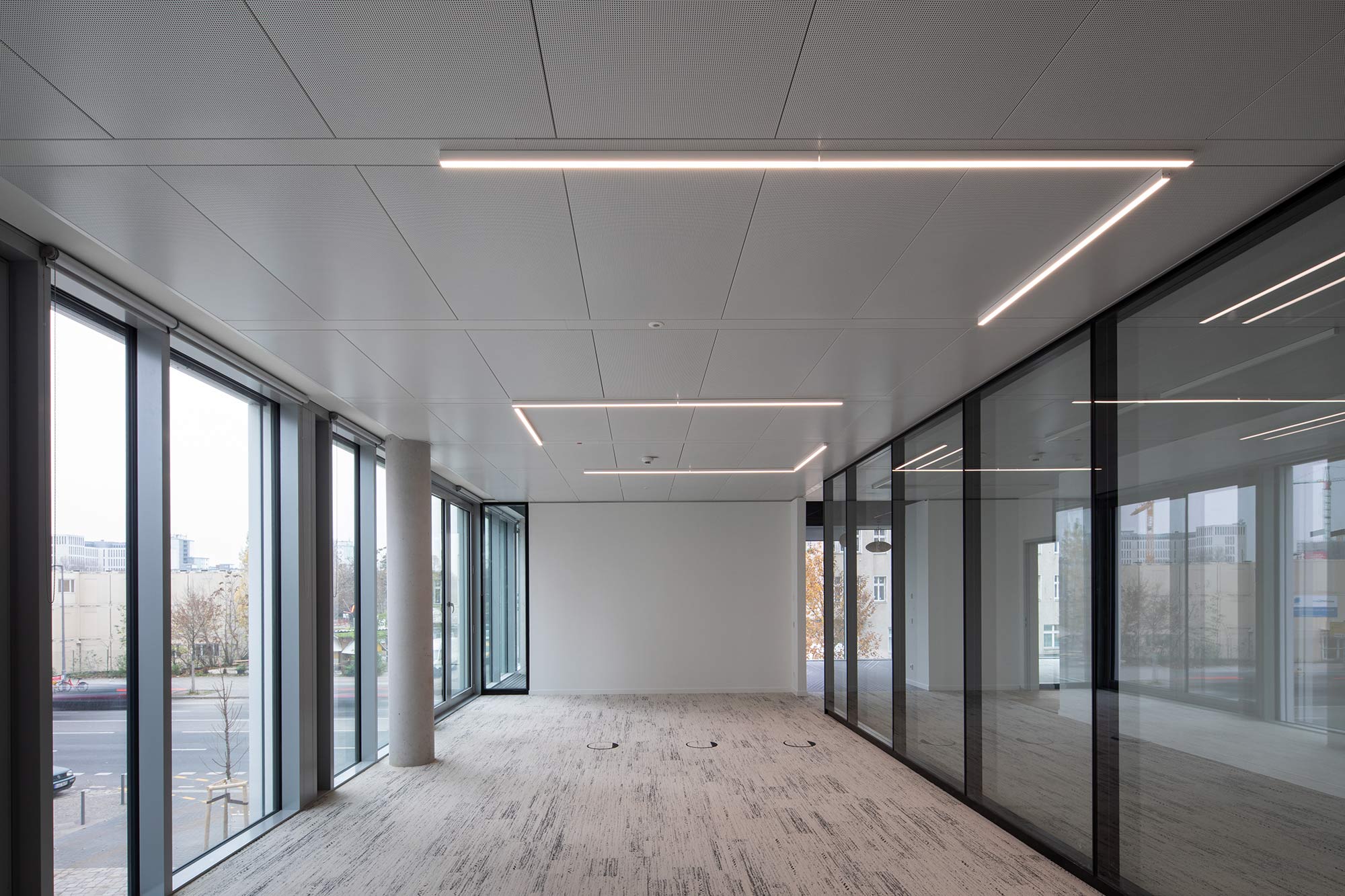
Not all perforated ceiling panels perform the same. Their sound absorption depends on the pattern, size, and distribution of perforations. Panels with higher perforation density generally capture more sound, especially mid-to-high frequency noise, improving clarity and comfort in commercial spaces.
To achieve the best results, consult material vendors or acoustic engineers to select panels suited to your environment. In practice, tailoring the perforation layout to the room’s size, ceiling height, and primary noise sources ensures optimal acoustic performance.
Example: In open-plan offices, strategically increasing perforation density above workstations can noticeably reduce reverberation, while keeping adjacent areas visually consistent. This step helps your soundproofing solution meet both functional and aesthetic requirements.
Step 8: Test the Acoustic Performance
Testing the effectiveness of the soundproofing measures comes first once they are in place. Track noise reduction in several sections of the space using sound level meters. Consider how well the system manages several kinds of noise, like high-pitched sounds or low-frequency vibrations.
By helping to find any flaws in the soundproofing ceiling in the apartment, testing enables more layers of insulation or corrections depending on the necessary gap.
Step 9: Regular Maintenance and Upgrades
Additionally, consider upgrading to newer materials or improved designs as building needs or noise standards change. Regular maintenance ensures your soundproofing system continues to provide consistent comfort and effective noise control.
Step 10: Engage Professional Acoustic Consultants
Conclusion
Soundproofing ceiling in apartment-style commercial spaces is an investment in privacy, comfort, and professionalism. From selecting perforated metallic panels to adding vibration dampers, following these ten steps will help you create an acoustic environment that satisfies modern corporate needs. Soundproof ceilings provide a sensible way for noise management in any kind of building—office, hotel, or hospital.
Get in touch with PRANCE Metalwork Building Material Co. Ltd right now if you're eager to modernize your commercial area with cutting-edge soundproofing solutions. With our premium perforated ceiling panels and insulating materials, let us assist you in creating more efficient, quieter areas.
FAQs
Q1: What is the best material for soundproofing ceilings in apartments?
Aluminum ceiling panels paired with acoustic backing, such as foam or mineral wool, offer a durable and effective soundproofing solution. They are lightweight, easy to install, and ideal for apartment-style offices or open-plan spaces. Perforated designs can further enhance noise absorption while maintaining a clean, modern look.
Q2: How do you maintain soundproofing ceilings with aluminum panels?
Regular cleaning and inspection help keep panels effective and looking good. Check seals and acoustic backing periodically, and replace any damaged material. For long-term performance, consider professional inspections every few years, especially in busy or high-use spaces.
Q3: How do you maintain soundproofing ceilings with aluminum panels?
The most effective method is decoupling the ceiling using vibration isolators, combined with insulation and layered acoustic materials to reduce sound transmission.
Q4: Which is better for soundproofing: drywall or acoustic ceiling panels?
Drywall blocks sound well due to its mass, while acoustic panels reduce echo. The best results often come from combining both approaches for blocking and absorption.
This apartment soundproofing ceiling guide was written by the PRANCE Structural Metalwork Engineering Dept. and rigorously reviewed for technical accuracy by our Senior Ceiling Design Specialist.