



How Sound Deadening Suspended Ceiling Tiles Improve Acoustics and Design
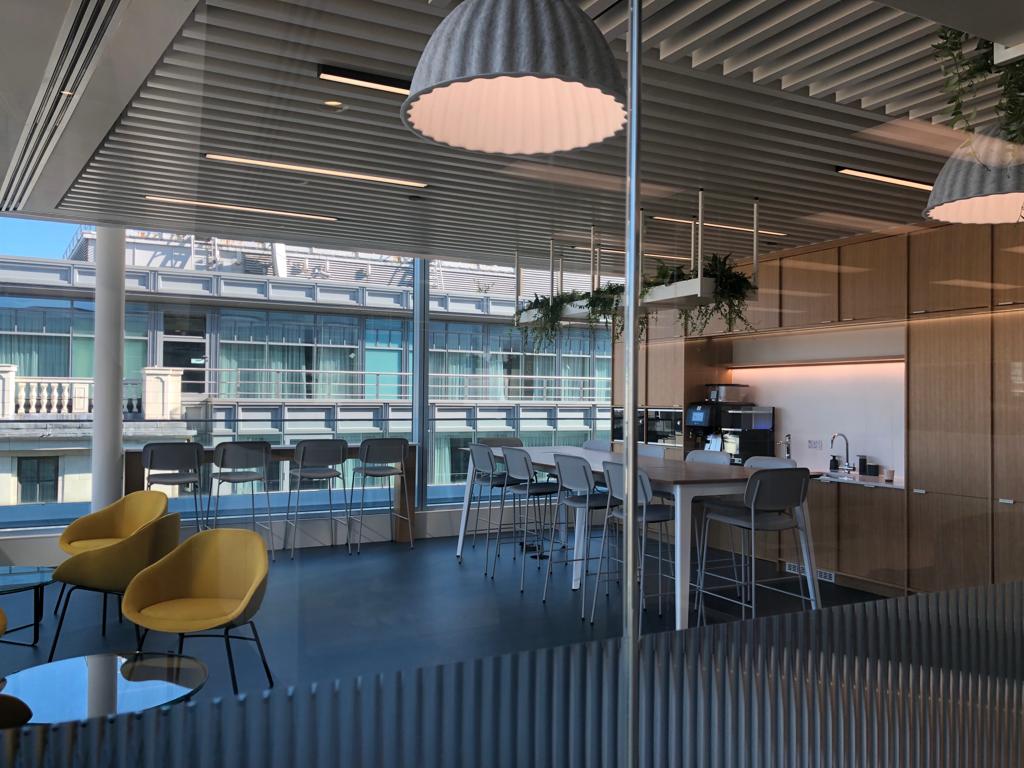
In commercial spaces, noise often becomes a problem only after it starts affecting daily work. Open-plan offices struggle with overlapping conversations, large lobbies suffer from echo, and meeting or healthcare spaces require greater sound control to maintain comfort and focus. As a result, noise management has shifted from a luxury to a necessity. Sound deadening suspended ceiling tiles provide an effective solution by improving sound absorption and reducing echo across large ceiling surfaces , and without compromising modern interior design.
This article explains how sound deadening suspended ceiling tiles work, the materials commonly used, and what to consider when selecting the right option for commercial environments.
Understanding Sound Deadening Suspended Ceiling Tiles
These tiles typically feature a perforated surface combined with an acoustic backing, such as SoundTex acoustic film, rockwool, or other sound-absorbing layers. This construction allows sound waves to enter the tile structure rather than bounce back into the space, helping to reduce echo, improve speech clarity, and limit sound transmission between areas.
Key Features
● Acoustic Efficiency: Reduces noise pollution noticeably by acoustic efficiency.
● Durability: Resistance to wear, corrosion, and regular cleaning defines durability.
● Versatility: fits many business environments.
These features make sound-deadening suspended ceiling tiles indispensable for creating quiet, efficient, and comfortable work or learning environments. In the following section, we will explore the common materials used in these tiles and how they contribute to performance.
Common Materials Of Sound Deadening Ceiling Tiles
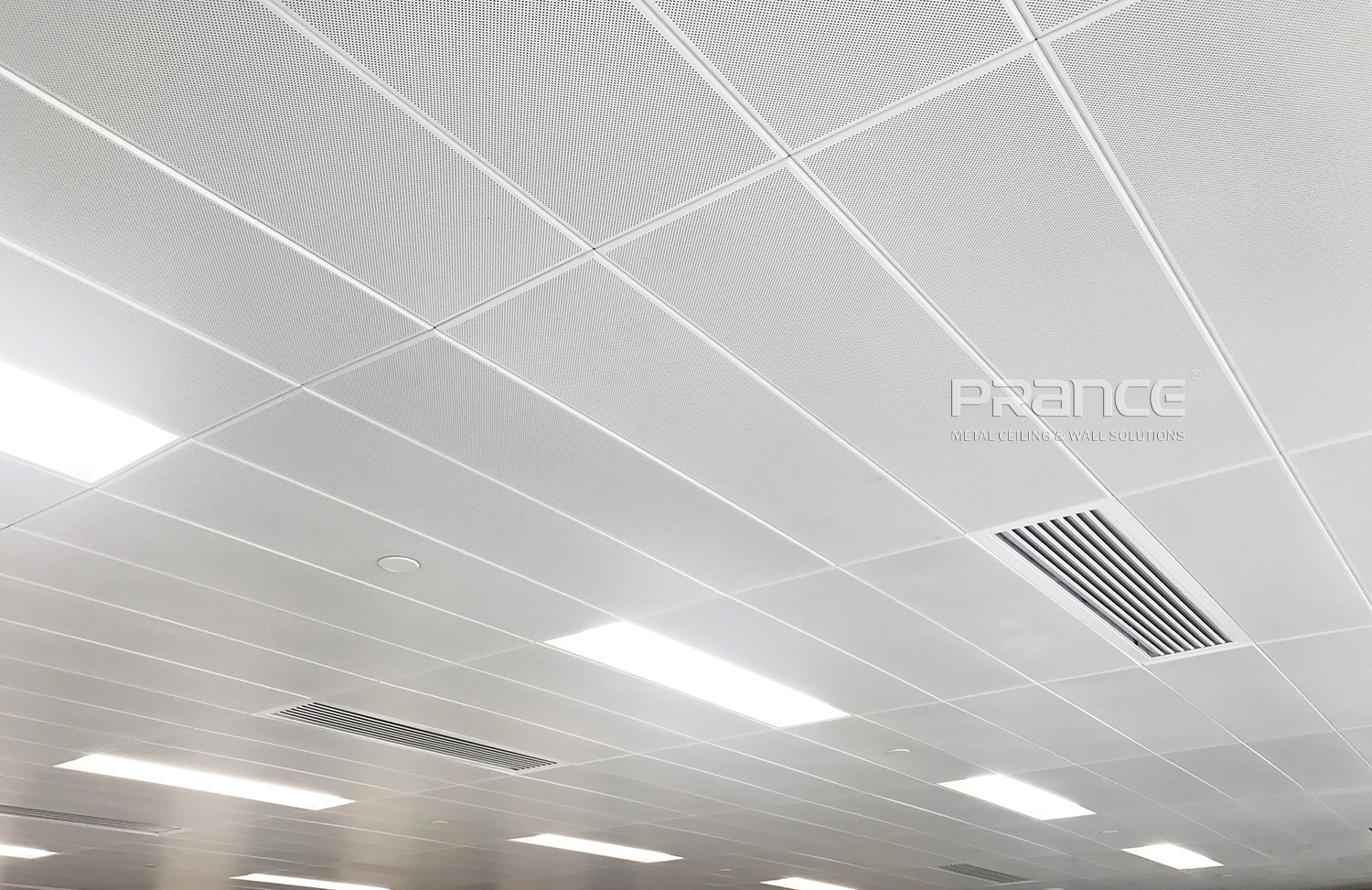
Metal Ceiling Tiles
- Long-lasting and low maintenance
- High resistance to wear, corrosion, and humidity
- Compatible with high-traffic or demanding environments
- Can integrate with perforated acoustic backing for optimized sound absorption
Mineral Fiber or Rockwool Panels
Mineral fiber or rockwool panels are lightweight and highly absorbent, often used in offices and classrooms. They are cost-effective and easy to handle during installation.
Limitations:
Less durable than metal; can sag or degrade over time
Sensitive to moisture and heavy cleaning
Limited lifespan in high-traffic or humid areas
Fiberglass Panels
Fiberglass panels provide decent acoustic performance and can be finished with decorative surfaces. They are suitable for spaces where aesthetics matter, such as meeting rooms or retail areas.
Limitations:
Fragile; can be damaged during installation or maintenance
Lower durability in commercial environments compared to metal
Cleaning may require special care to avoid surface damage
Acoustic Foam or Composite Panels
Acoustic foam or composite panels are flexible and lightweight, commonly used in studios or specialized small spaces.
Limitations:
Limited structural strength; not suitable for large commercial areas
Can degrade under prolonged exposure to sunlight or humidity
Offers lower fire and safety ratings compared to metal or mineral fiber panels
Applications of Sound Deadening Suspended Ceiling Tiles in Commercial Spaces
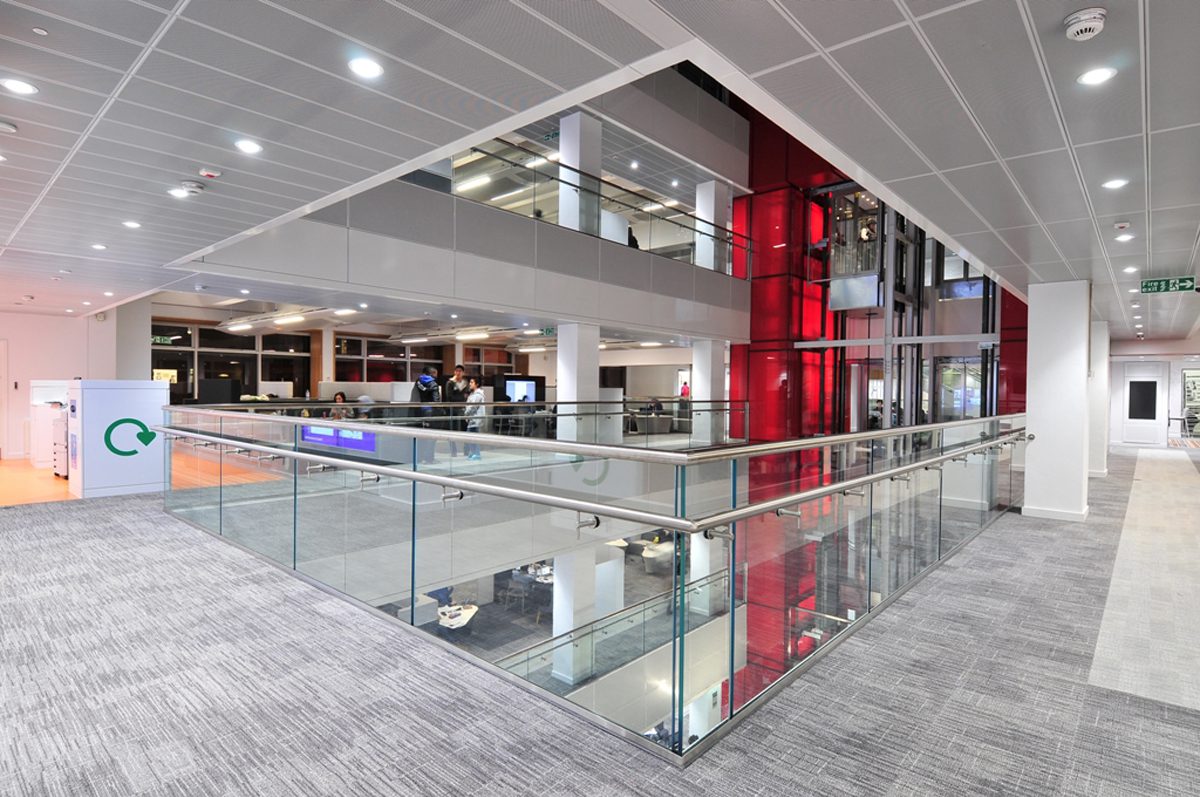
1. Offices and Co-Working Spaces
Sound deadening suspended ceiling tiles, also known as office acoustic tiles or noise-reducing ceiling panels, are essential in offices, open-plan workplaces, and co-working environments, where background noise can disrupt focus and collaboration. The combination of insulating backing and perforated surfaces reduces sound transmission, helping employees concentrate while maintaining private conversations.
Key Benefits:
Enhanced Focus and Productivity: Minimizes distractions from surrounding noise.
Privacy Maintenance: Protects confidential discussions.
Supportive Collaboration: Creates quiet zones without compromising open-plan design.
These acoustic ceiling panels foster a balanced environment that boosts both individual output and team cooperation.
2. Hotels, Retail, and Meeting Areas
In hospitality and retail settings, soundproof ceiling solutions improve customer comfort and overall experience. Suspended ceiling tiles reduce echoes, maintain a serene ambiance, and improve the clarity of announcements in lobbies, meeting rooms, and shopping areas.
Comfort and Experience: Reduces stress from ambient noise for guests and shoppers.
Aesthetic Appeal: Modern designs complement upscale décor.
Practicality: Easy installation and maintenance for busy commercial spaces.
These solutions ensure a seamless combination of style, comfort, and functionality in public-facing areas, making them ideal hotel ceiling panels or retail acoustic tiles.
3. Healthcare and Educational Facilities
Hospitals, clinics, and classrooms require quiet environments for effective care and learning. Acoustic insulation tiles absorb disruptive noises, helping patients, students, and staff focus while maintaining privacy and compliance with acoustic guidelines.
Reduced Stress and Improved Recovery: Quieter spaces promote healing and concentration.
Privacy and Confidentiality: Prevents sound from leaking between rooms.
Compliance and Safety: Supports health and educational acoustic standards.
By creating peaceful and controlled environments, these noise absorption panels support productivity, learning, and patient care.
4. Event, Auditorium, and High-Traffic Venues
Auditoriums, event venues, and commercial corridors face challenges of echo, feedback, and high foot traffic. Perforated acoustic panels and high-performance soundproof ceiling panels control sound effectively, enhance clarity, and provide long-lasting durability in dynamic environments.
Optimized Acoustics: Ensures clear audio for music, presentations, and announcements.
Durability and Maintenance: Withstands heavy use while remaining easy to clean.
Design Flexibility: Adapts to aesthetic and functional needs of varied spaces.
These tiles create immersive, adaptable environments suitable for large gatherings and high-traffic areas.
Selecting the Right Sound-Deadening Suspended Ceiling Tiles

Selecting the appropriate tiles calls for consideration of numerous elements, including budget, aesthetics, and acoustic concerns.
Factors to Consider
Noise Levels: Assess acoustic requirements; choose tiles with suitable NRC values or noise absorption capacity.
Design Compatibility: Match color, texture, and material to your space; options include perforated metal, decorative panels, or modern acoustic tiles.
Durability: Ensure tiles withstand cleaning, foot traffic, humidity, and daily wear; high-performance soundproof ceiling panels are ideal.
Installation and Maintenance: Prefer easy-to-install and low-maintenance tiles for long-term convenience.
Fire and Safety Compliance: Use fire-rated acoustic panels that meet building codes.
Sustainability: Select eco-friendly or recyclable ceiling tiles to meet environmental targets.
Cost & Budget: Balance price with acoustic performance and longevity for best value.
Taking these factors into account ensures that your ceiling solution not only reduces unwanted noise but also complements your space’s functionality and design.
Quick Buying Checklist for Sound Deadening Ceiling Tiles
- Is the material suitable for high-traffic, humid, or commercial environments?
- How easy is installation, maintenance, and future replacement?
- Does the design align with the overall interior aesthetic?
- Are fire safety and building code requirements met?
- Does the solution offer long-term value beyond initial cost?
Conclusion
For contemporary commercial buildings, sound deadening suspended ceiling tiles offer a transforming answer. They meet the several needs of businesses, hotels, hospitals, and more by tackling noise control while keeping a sleek and professional appearance. Their adaptability, robustness, and acoustic quality make them a great help for establishing comfortable and effective surroundings.
Premium-quality sound deadening suspended ceiling tiles from PRANCE Metalwork Building Material Co. Ltd. fit your acoustic and aesthetic needs. Get in touch now to investigate our creative ideas for your business projects.